Frame Running Adelaide – Inclusive Sports for Kids & Young Adults
At Achieving Abilities, we’re proud to partner with Kyd-X to bring FrameRunning to Adelaide – an innovative and inclusive sport designed for young people living with a disability. This program gives participants the chance to move beyond their wheelchair or walker, experience the freedom of running, and enjoy the benefits of exercise in a safe, supportive, and social environment.
What is FrameRunning?
FrameRunning (also called RaceRunning) uses a custom three-wheeled frame that provides stability while allowing children and young adults with limited mobility to run or walk independently. It’s an empowering activity that builds confidence while delivering real health benefits.
Our weekly sessions are designed to:
✔ Increase heart rate and cardiovascular fitness
✔ Build strength, coordination, and mobility
✔ Improve gross motor skills
✔ Encourage social connections in a fun, group setting
Who Can Join?
FrameRunning is perfect for:
Children & Young People with Disability
Perfect for those seeking inclusive opportunities in Adelaide.
Wheelchair or Walker Users
Explore new movement opportunities with trained professionals.
Families & NDIS Participants
Accessible both through NDIS funding or private self-funded options.
Whether you’re an NDIS participant or simply looking for adaptive exercise programs in Adelaide, you’re welcome to join.
👉 Learn more about our Exercise Physiology services in Adelaide to see
how FrameRunning can complement your therapy goals.
When & Where Are Sessions Held?
Day & Time: 1-hour sessions every Wednesday during school terms
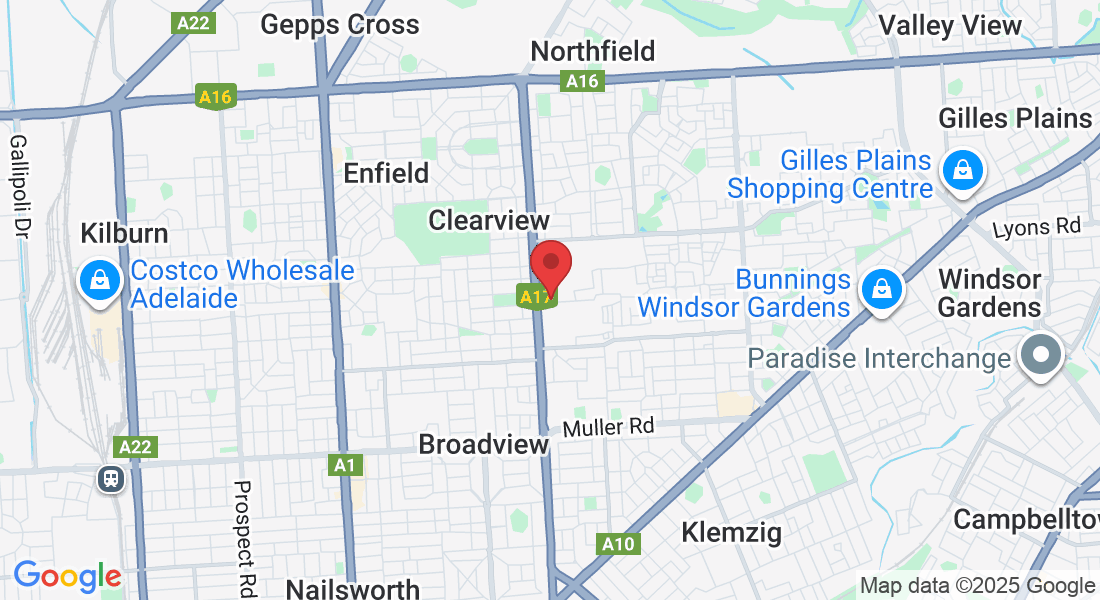
Venue: The Lights Community and Sports Centre
Address: 244–270 East Parkway, Lightsview SA 5085
This central Adelaide location makes it easy for families across the northern and north-eastern suburbs – including Lightsview, Northgate, Prospect, Mawson Lakes, and Tea Tree Gully – to take part.
Funding & Rebates
FrameRunning may be supported under some NDIS funding categories, depending on your plan Our team can guide you on how this may fit with your goals.
For private participants, sessions can also be accessed on a self-funded basis.
Join Our FrameRunning
Adelaide Program
Ready to experience the freedom of movement? Places are limited each term.
Or contact us via our Mobile Exercise Physiology Adelaide page to
learn more about how FrameRunning can be part of your activity plan.
Lauren McDougall June 4 2026
Why movement matters more than you think (especially for kids)
If you’ve ever wondered whether your child is moving enough, you’re not alone.
For many families, “movement” can start to feel like another thing to keep up with—sports, activities, getting outside more, limiting screen time. It can quickly become something that feels like it needs more time, more energy, and more structure than you realistically have.
But movement doesn’t have to look like that.
In fact, some of the most meaningful movement for kids happens in simple, everyday ways.
Movement is more than just exercise
When we think about movement, it’s easy to picture organised sport or structured activities. But for children, movement is much broader than that.
It can look like:
- Playing in the backyard
- Dancing in the living room
- Climbing, jumping, rolling, exploring
- Walking to the car or helping carry groceries
- Getting up and down off the floor
These small, natural movements are not just “filling time”—they’re how children build the foundations for how their bodies feel and function.
It supports more than just physical health
Movement isn’t only about keeping kids “fit” or active.
It plays a role in:
- Energy levels – helping kids feel more alert and less sluggish
- Mood and emotions – supporting regulation and reducing restlessness
- Focus and attention – especially for younger children
- Confidence – as they learn what their bodies can do
Often, when a child is struggling with energy, focus, or behaviour, movement is one of the simplest places to start.
It doesn’t have to be perfect
One of the biggest barriers families face is the idea that movement needs to be done “properly” to count.
The reality is, it doesn’t.
Short bursts of movement throughout the day can be just as valuable as longer, structured sessions. There’s no need for perfect routines or high levels of motivation—especially in busy seasons of life.
What matters most is creating regular opportunities for movement in a way that fits your family.
What this can look like in real life
For many families, it’s not about adding more—it’s about noticing what’s already possible.
That might be:
- Letting kids play on the floor instead of always sitting on the couch
- Encouraging a quick game or movement break between activities
- Walking short distances where you can
- Building small moments of movement into your usual routines
These small shifts often feel more manageable—and are more likely to stick.
A gentle reminder
If things have felt a bit sedentary lately, that’s okay.
Routines change, life gets busy, and energy comes and goes. Movement doesn’t need to be all or nothing.
Starting small, and keeping things simple, is often what makes the biggest difference over time.
If you’re feeling unsure how movement fits into your child’s day, or where to start, support is there to help you find an approach that feels manageable for your family.

📞 0431 048 684
✉️ [email protected]
📍 307 Payneham Road, Royston Park SA 5070



Golden Grove - Payneham - Marden - Ridgehaven