About Achieving Abilities
Helping children, adolescents, and young adults build skills, confidence,
and physical capacity through the power of movement.
Our Philosophy
At Achieving Abilities, we believe the power of movement is a bit like magic. The benefits of regular movement and exercise flows into all aspects of life - from the physical benefits, to mental benefits, the improved confidence and self-esteem, every day tasks becoming easier, or even doable, and having an increased willingness to try new things, and to participate in activities with friends, family and in the community.
Our team help children, adolescents and young adults living with disability, developmental delays, or health conditions build the skills, physical capacity and confidence to thrive in everyday life, and improve quality of life.
Meet our team
Lauren McDougall | Owner, Exercise Physiologist
● Bachelor of Clinical Exercise Physiology
● Post Graduate Certificate in Disability Studies
● Masters by Research (Human Movement)
Since launching Achieving Abilities in 2018, I’ve been dedicated to supporting children and young people to move, grow, and thrive through the power of movement.
I believe movement is like magic – its benefits reach far beyond the body, positively impacting psychological wellbeing, confidence, and social participation. The most rewarding part of my work is seeing that magic in action: hearing stories of progress, and watching how improvements made in sessions open up opportunities in everyday life.
In my spare time I absolutely love reformer pilates, going for walks, a good movie night, and spending time with my daughter, partner, and our dog Harvey.
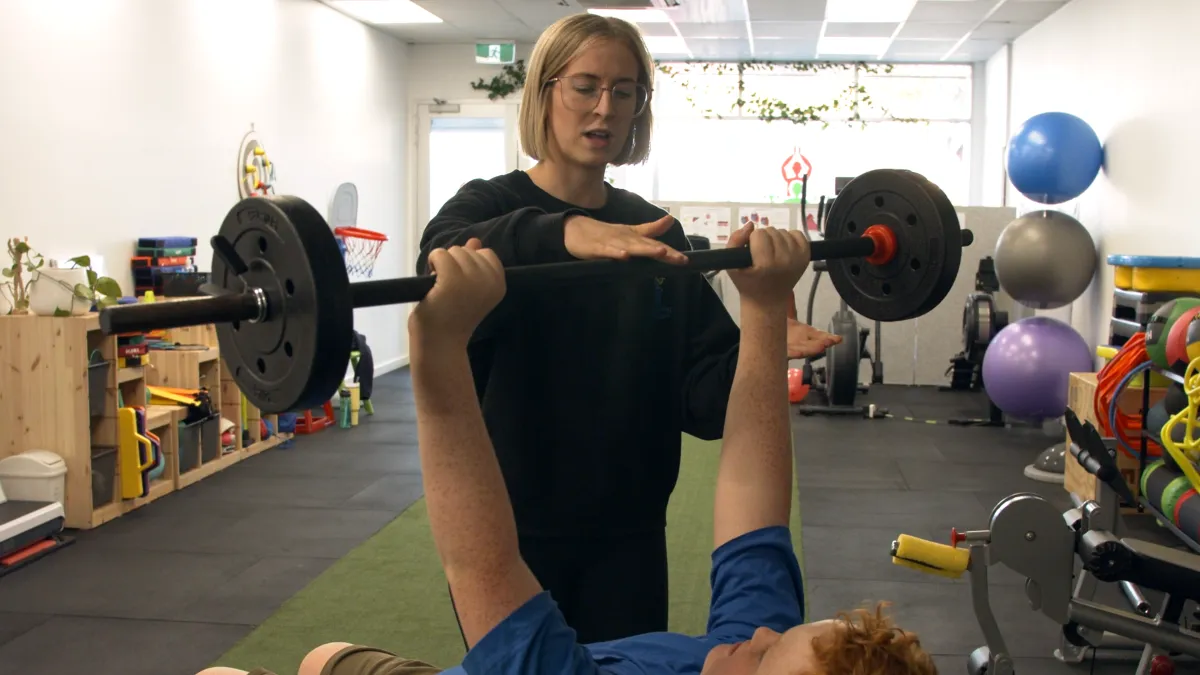
Jacinta Trudinger | Exercise Physiologist
● Bachelor of Clinical Exercise Physiology (honours)
Jacinta is passionate about helping people find meaning and enjoyment in physical activity and is dedicated to supporting clients in reaching their movement and health goals. Jacinta strives to make every session fun, engaging, and tailored to each individual’s needs and aspirations.
In her spare time, Jacinta both coaches and participates in cheerleading as a sport. She also enjoys camping, water sports, outdoor adventures, board games and spending quality time with her family and friends.
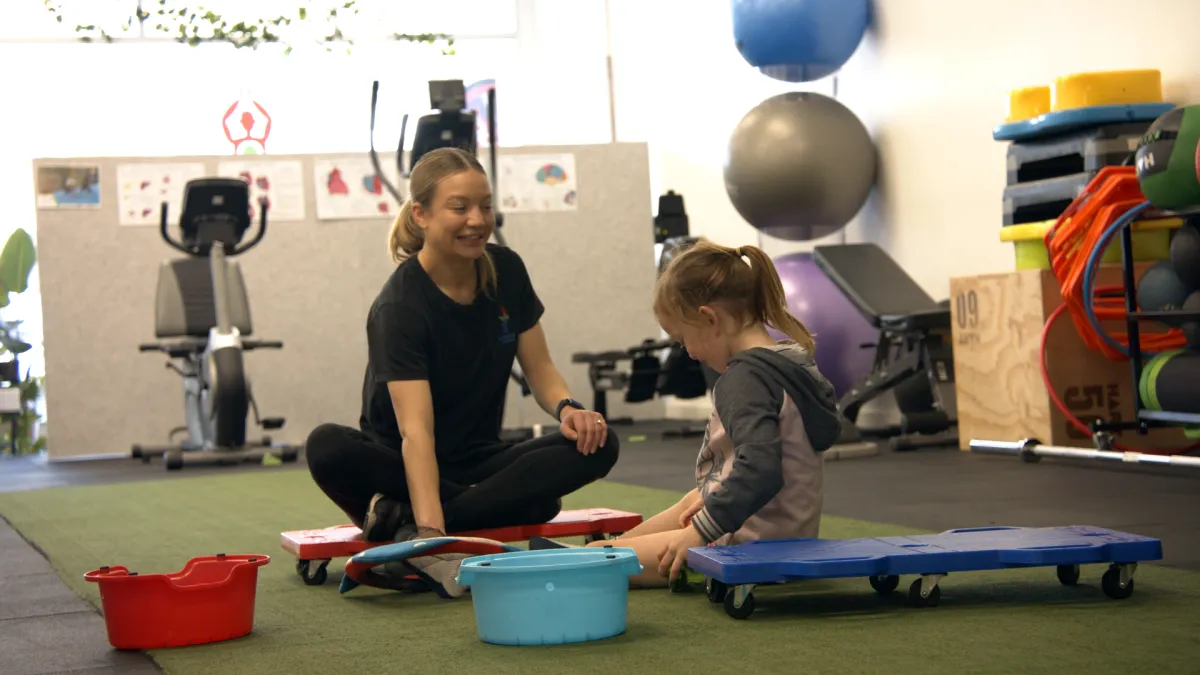
Lucy Zorman-Vial | Exercise Physiologist
● Bachelor of Clinical Exercise Physiology (honours)
Lucy is passionate about helping clients build a positive relationship with movement and exercise, and aims to help clients reach their goals in a way that is enjoyable and sustainable.
Lucy enjoys taking the time to get to know each individual, and her priority is creating a space where you feel heard, respected, and supported. Outside of work, Lucy loves reading, crocheting, staying active through the gym, netball, dance, and spending time outdoors.
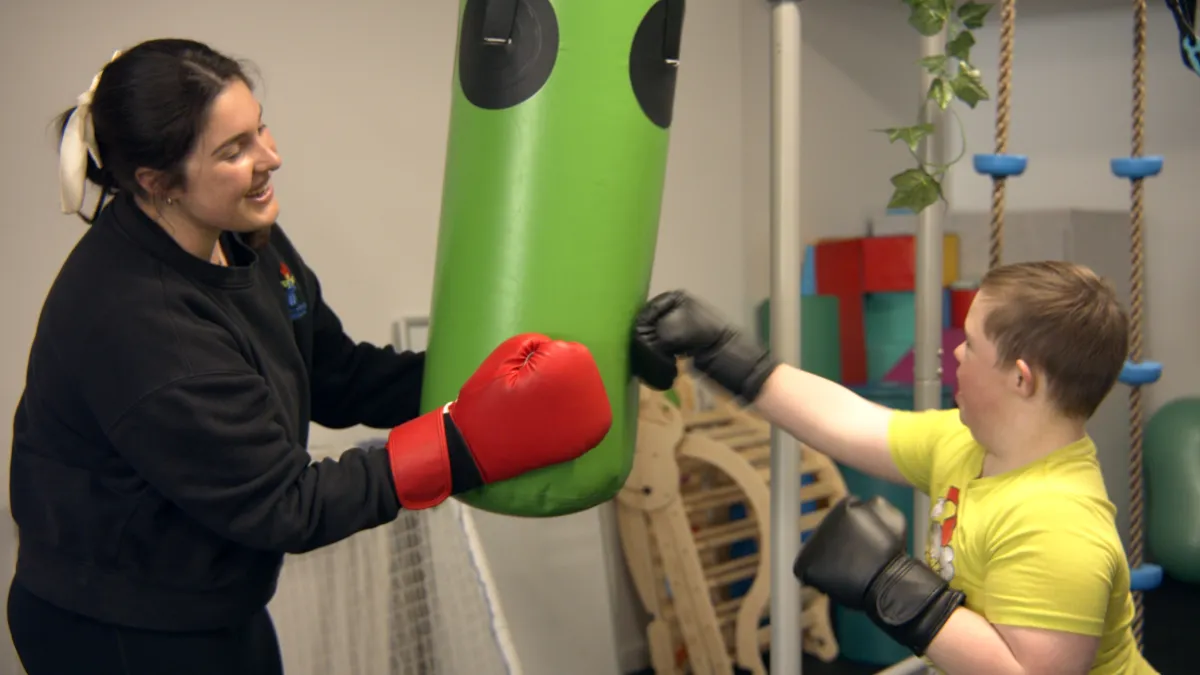
Our Happy Clients
Get In Touch
Lauren McDougall June 4 2026
Why movement matters more than you think (especially for kids)
If you’ve ever wondered whether your child is moving enough, you’re not alone.
For many families, “movement” can start to feel like another thing to keep up with—sports, activities, getting outside more, limiting screen time. It can quickly become something that feels like it needs more time, more energy, and more structure than you realistically have.
But movement doesn’t have to look like that.
In fact, some of the most meaningful movement for kids happens in simple, everyday ways.
Movement is more than just exercise
When we think about movement, it’s easy to picture organised sport or structured activities. But for children, movement is much broader than that.
It can look like:
- Playing in the backyard
- Dancing in the living room
- Climbing, jumping, rolling, exploring
- Walking to the car or helping carry groceries
- Getting up and down off the floor
These small, natural movements are not just “filling time”—they’re how children build the foundations for how their bodies feel and function.
It supports more than just physical health
Movement isn’t only about keeping kids “fit” or active.
It plays a role in:
- Energy levels – helping kids feel more alert and less sluggish
- Mood and emotions – supporting regulation and reducing restlessness
- Focus and attention – especially for younger children
- Confidence – as they learn what their bodies can do
Often, when a child is struggling with energy, focus, or behaviour, movement is one of the simplest places to start.
It doesn’t have to be perfect
One of the biggest barriers families face is the idea that movement needs to be done “properly” to count.
The reality is, it doesn’t.
Short bursts of movement throughout the day can be just as valuable as longer, structured sessions. There’s no need for perfect routines or high levels of motivation—especially in busy seasons of life.
What matters most is creating regular opportunities for movement in a way that fits your family.
What this can look like in real life
For many families, it’s not about adding more—it’s about noticing what’s already possible.
That might be:
- Letting kids play on the floor instead of always sitting on the couch
- Encouraging a quick game or movement break between activities
- Walking short distances where you can
- Building small moments of movement into your usual routines
These small shifts often feel more manageable—and are more likely to stick.
A gentle reminder
If things have felt a bit sedentary lately, that’s okay.
Routines change, life gets busy, and energy comes and goes. Movement doesn’t need to be all or nothing.
Starting small, and keeping things simple, is often what makes the biggest difference over time.
If you’re feeling unsure how movement fits into your child’s day, or where to start, support is there to help you find an approach that feels manageable for your family.

📞 0431 048 684
✉️ [email protected]
📍 307 Payneham Road, Royston Park SA 5070



Golden Grove - Payneham - Marden - Ridgehaven