Funding & Rebates for Exercise Physiology in Adelaide
At Achieving Abilities, we know that accessing the right support is just as important as the therapy itself. As Accredited Exercise Physiologists in Adelaide, we offer several funding and rebate options so children, young adults, and families can access our services with confidence. Whether you’re looking for mobile exercise physiology in the northern suburbs of Adelaide or visiting us in-clinic, here’s how you may be able to claim support.
National Disability Insurance Scheme (NDIS) –
Exercise Physiology Adelaide
If you're an NDIS participant, you may already have funding available for Exercise Physiology services in your plan to support your goals around capacity building, improving function and physical independence.
• Services may be funded under Improved Daily Living or Improved Health and Wellbeing.
• We work with self-managed or plan managed participants. Our NDIS registration is in progress.
• No referral is required – simply contact us to discuss how we can support you.
Funding available for exercise physiology services in your plan to support your goals around capacity building, improving function and physical independence.
Medicare Chronic Disease Management (CDM) Plans
Your GP may be able to create a Chronic Disease Management (CDM) plan, which includes up to 5 Medicare-subsidised visits per year with an allied health professional such as an exercise physiologist.
• A chronic medical condition is one that has lasted (or is expected to last) 6 months or longer
• Common conditions include diabetes, cardiovascular disease, obesity, chronic pain, or mobility issues.
• A GP referral is required.
Medicare M10 – Complex Neurodevelopmental Disorders
From 1 July 2025, exercise physiologists in Adelaide will also be able to provide services under Medicare MBS “M10” items.
• Designed for patients with complex neurodevelopmental disorders (CND) such as autism or other eligible disabilities.
• Requires a referral from a GP or specialist.
• This is a positive step forward in improving access for families seeking structured support through exercise physiology.
Private Health Rebates
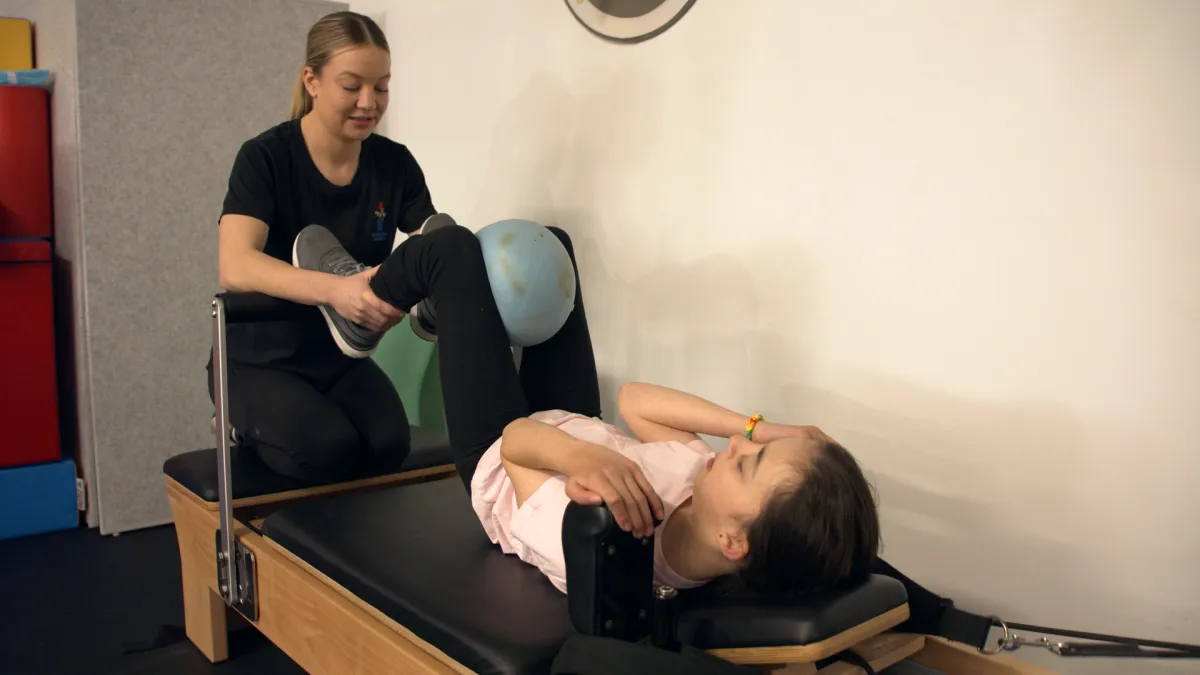
Many private health insurance funds in Australia provide rebates for exercise physiology services. Coverage depends on your level of extras, so it’s best to check directly with your provider.
• No referral is required.
• Rebates can help reduce the cost of ongoing sessions.
Private Paying Options
For families or individuals without funding, you’re still welcome to access our services on a private paying basis.
• No referral is required.
• Flexible options for both in-clinic and mobile sessions across Adelaide’s northern and north-eastern suburbs.
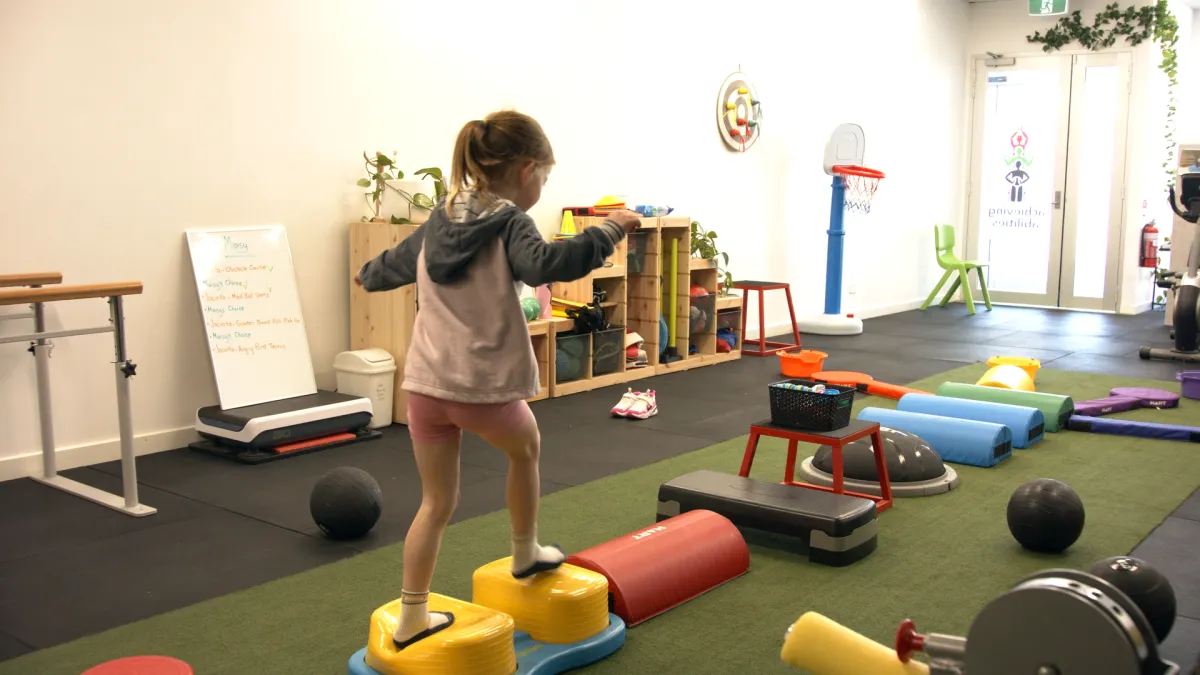
Why Choose Achieving Abilities?
• Experienced in working with children, young adults, and people with disabilities
• Offering both in-clinic and mobile exercise physiology services in suburbs such as Tea Tree Gully, Golden Grove, Modbury, Mawson Lakes, Prospect, and Northgate
• Support with Medicare, private health rebates, and self-funded options
Ready to get started?
Contact our team today to discuss which funding option is right for you.
Or explore more about Why Exercise Physiology Matters.
Lauren McDougall June 4 2026
Why movement matters more than you think (especially for kids)
If you’ve ever wondered whether your child is moving enough, you’re not alone.
For many families, “movement” can start to feel like another thing to keep up with—sports, activities, getting outside more, limiting screen time. It can quickly become something that feels like it needs more time, more energy, and more structure than you realistically have.
But movement doesn’t have to look like that.
In fact, some of the most meaningful movement for kids happens in simple, everyday ways.
Movement is more than just exercise
When we think about movement, it’s easy to picture organised sport or structured activities. But for children, movement is much broader than that.
It can look like:
- Playing in the backyard
- Dancing in the living room
- Climbing, jumping, rolling, exploring
- Walking to the car or helping carry groceries
- Getting up and down off the floor
These small, natural movements are not just “filling time”—they’re how children build the foundations for how their bodies feel and function.
It supports more than just physical health
Movement isn’t only about keeping kids “fit” or active.
It plays a role in:
- Energy levels – helping kids feel more alert and less sluggish
- Mood and emotions – supporting regulation and reducing restlessness
- Focus and attention – especially for younger children
- Confidence – as they learn what their bodies can do
Often, when a child is struggling with energy, focus, or behaviour, movement is one of the simplest places to start.
It doesn’t have to be perfect
One of the biggest barriers families face is the idea that movement needs to be done “properly” to count.
The reality is, it doesn’t.
Short bursts of movement throughout the day can be just as valuable as longer, structured sessions. There’s no need for perfect routines or high levels of motivation—especially in busy seasons of life.
What matters most is creating regular opportunities for movement in a way that fits your family.
What this can look like in real life
For many families, it’s not about adding more—it’s about noticing what’s already possible.
That might be:
- Letting kids play on the floor instead of always sitting on the couch
- Encouraging a quick game or movement break between activities
- Walking short distances where you can
- Building small moments of movement into your usual routines
These small shifts often feel more manageable—and are more likely to stick.
A gentle reminder
If things have felt a bit sedentary lately, that’s okay.
Routines change, life gets busy, and energy comes and goes. Movement doesn’t need to be all or nothing.
Starting small, and keeping things simple, is often what makes the biggest difference over time.
If you’re feeling unsure how movement fits into your child’s day, or where to start, support is there to help you find an approach that feels manageable for your family.

📞 0431 048 684
✉️ [email protected]
📍 307 Payneham Road, Royston Park SA 5070
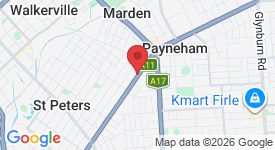


Golden Grove - Payneham - Marden - Ridgehaven