Exercise Physiology Clinic in Adelaide
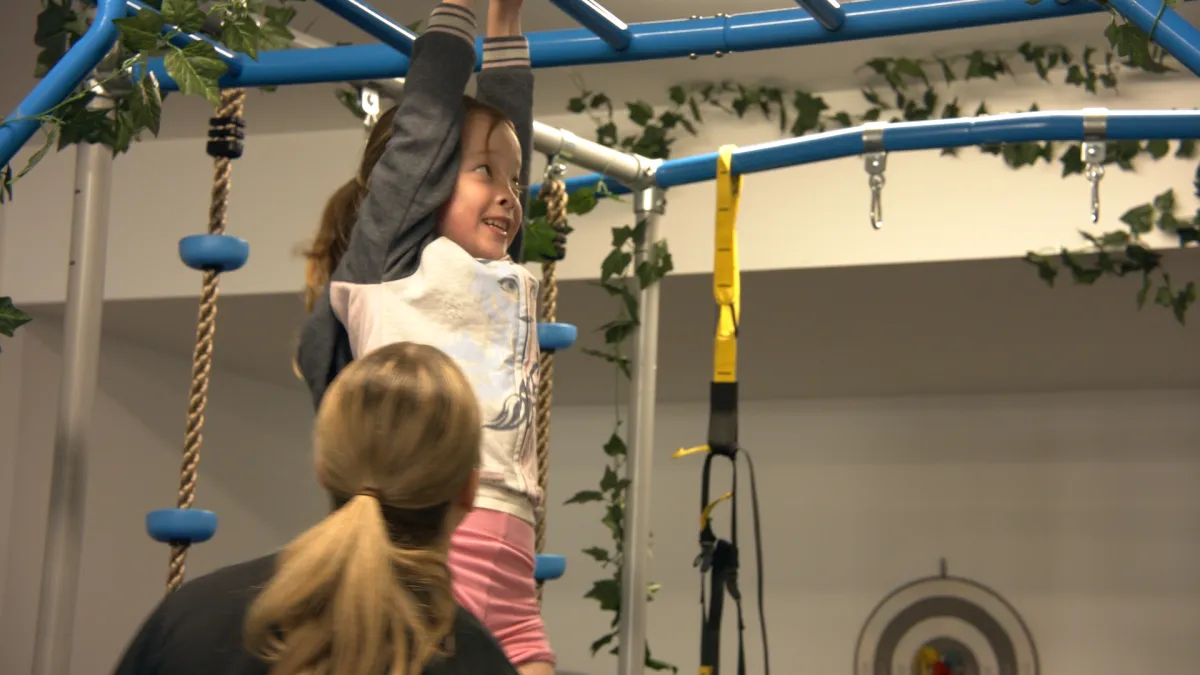
Supporting children and young people to improve their strength, coordination,
movement and quality of life through Exercise Physiology.
Exercise Physiology
Expert care for children and young people.
Mobile Service
We can visit you at home or school in the North Eastern and Northern Suburbs.
Simple to Start
Easy booking process
Exercise Physiology for Children and Young People in Adelaide
We support those living with disability, a health condition, developmental delay, or just need some guidance on increasing their physical activity levels.
We offer in-clinic appointments and mobile services in North-East and North Adelaide.
✓ In-Clinic Sessions
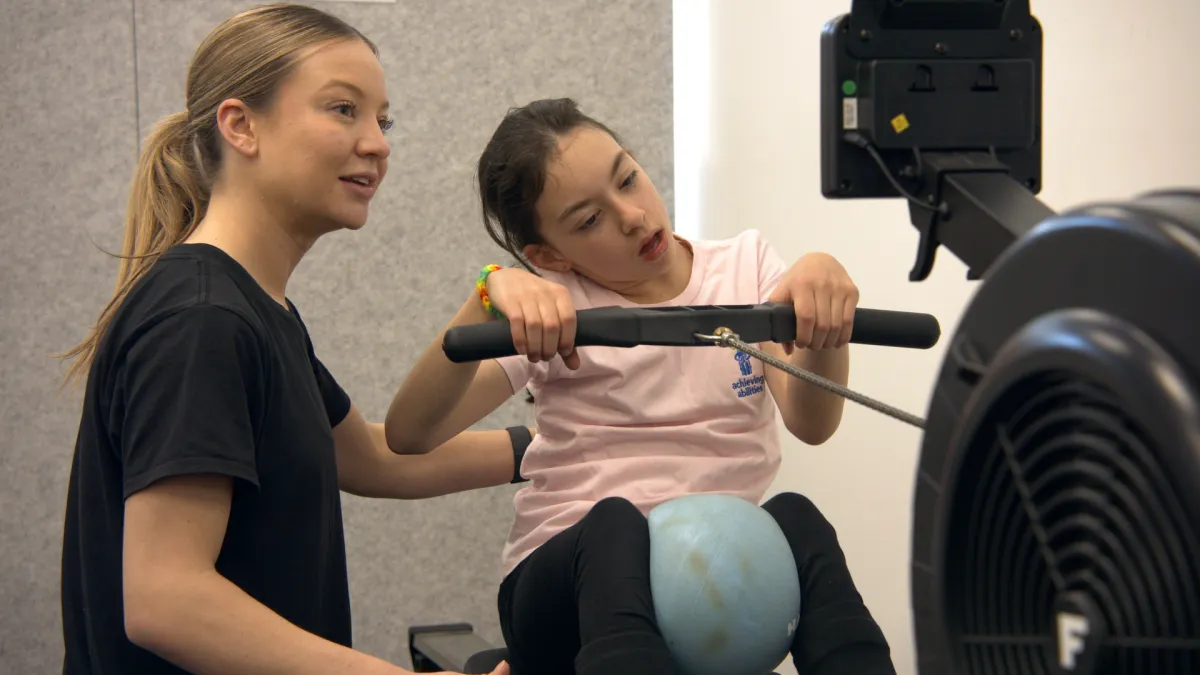
Professional equipment and controlled environment
✓ All Ages
Children through young adults
✓ Mobile Services
Home, school or community visits available
✓ Expert Care
Accredited Exercise Physiologists
What Is Exercise Physiology?
An Exercise Physiologist is a university-trained, allied health professional with an in-depth knowledge of the muscular, cardiac, neurological, metabolic and respiratory systems, and the body's response to exercise. We have the know how to prescribe innovative exercise and movement based interventions with consideration to physiological and physical differences. Exercise Physiology looks different person to person and varies depending on your needs and goals.
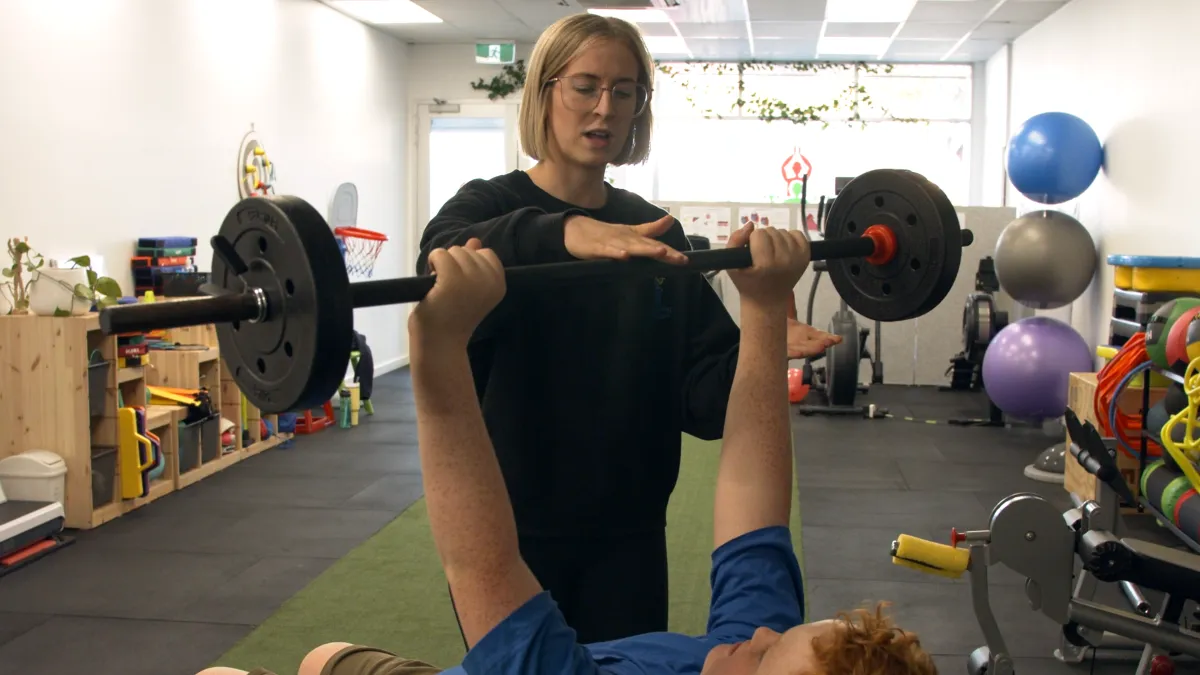
📍North-East Adelaide 🚗 Mobile Services 💪 Expert Team
How We Help Your Child Thrive
Every program is designed around interests, abilities, and goals - making exercise fun
while building strength, coordination, and confidence.
See Our Clients in Action
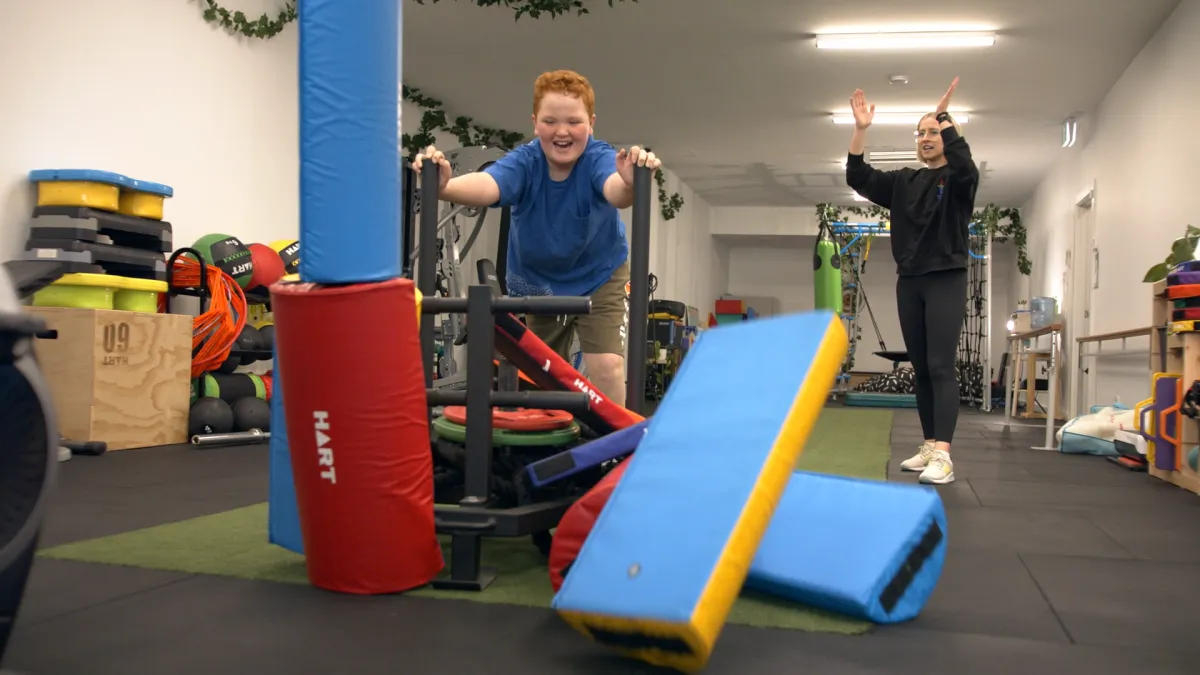
Fun & Engaging Sessions
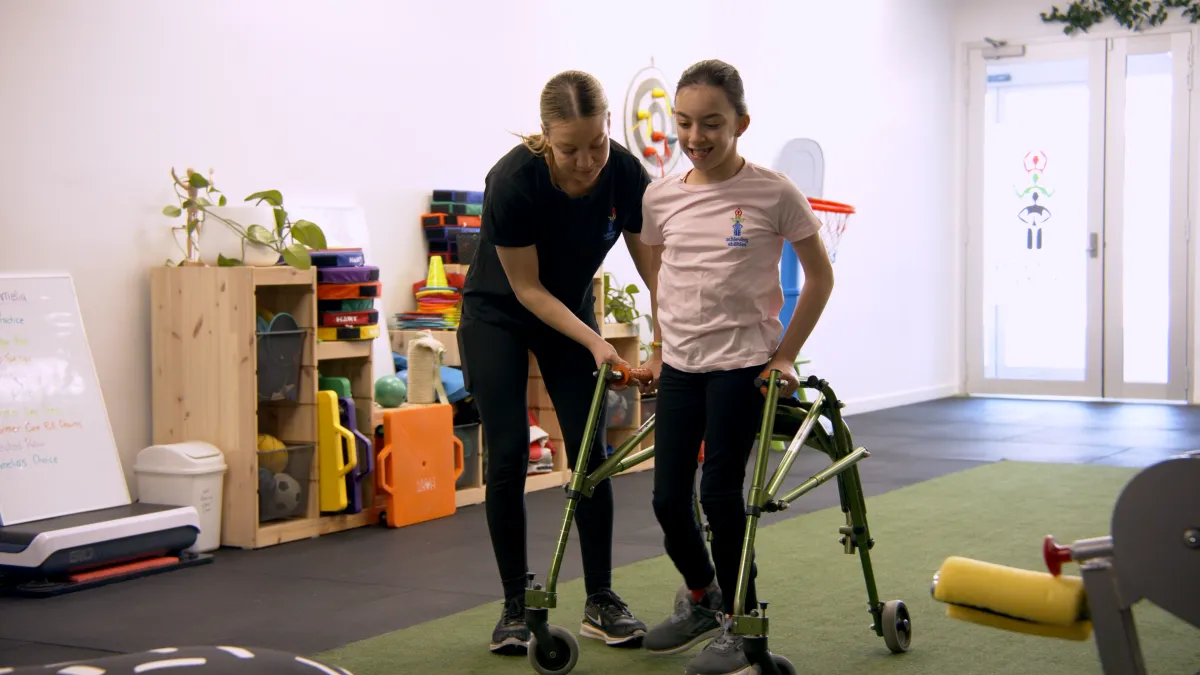
Personalized Approach
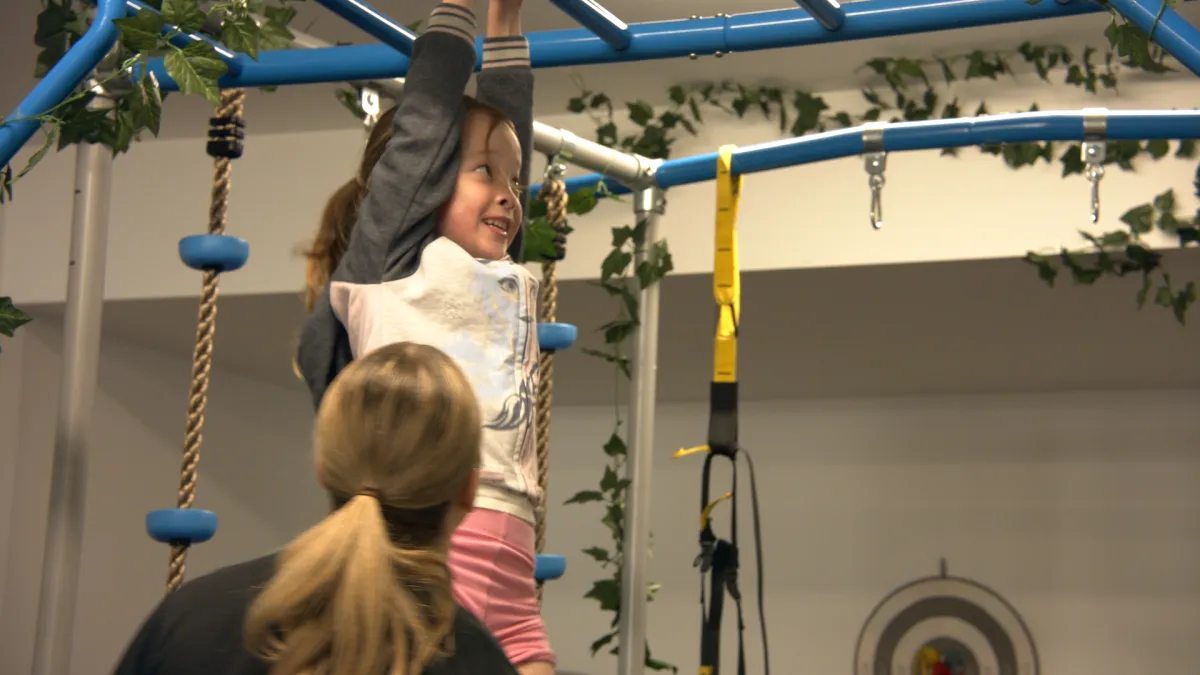
Expert Care
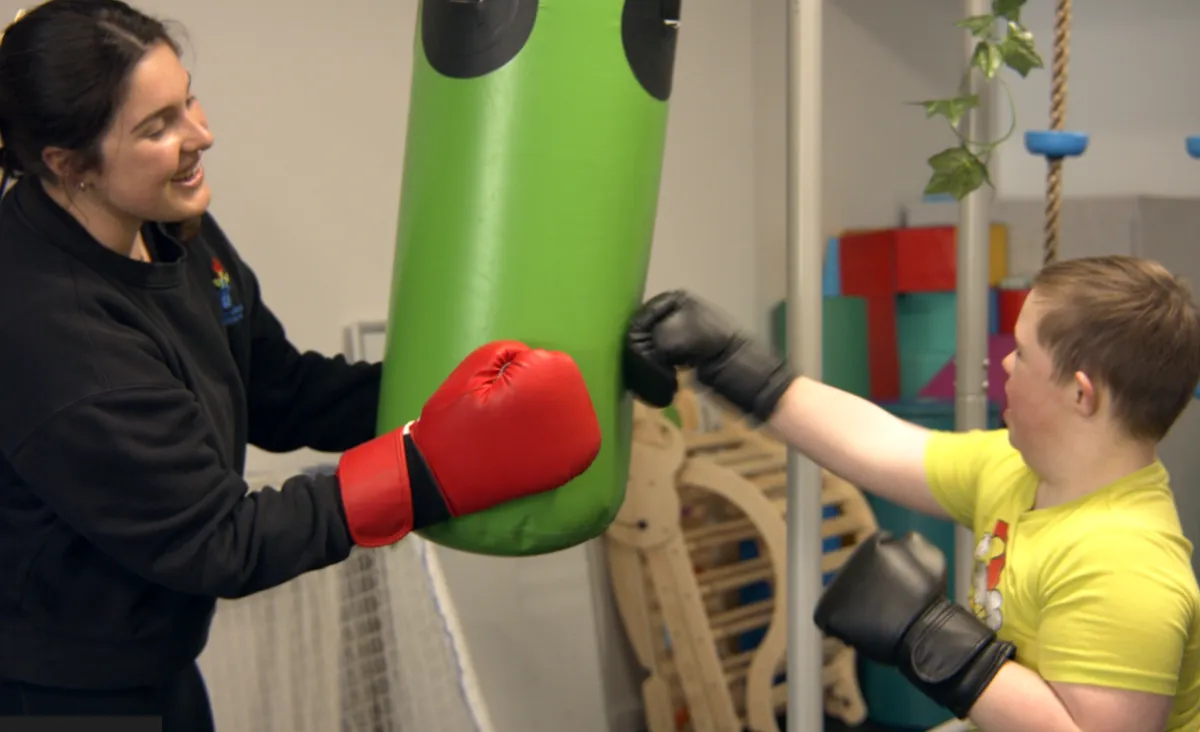
Age-Appropriate Programs
Areas We Support
Autism and Neurodiversity
Sensory-friendly support helps kids and young people build motor skills, strength, emotional regulation, sensory integration, social confidence, and overall well-being.
Cerebral Palsy and other neuromuscular conditions
Improving strength, mobility, coordination, and functional independence and enhance overall quality of life.
Developmental Delays
Enhance coordination, balance, strength, sensory integration, and motor planning to support age-appropriate development and confidence in daily activities.
Muscle Weakness & Low Muscle Tone
Improve core and postural strength, stability, and balance to enhance movement control, reduce fatigue, and boost daily participation.
Chronic health conditions
Promote safe, tailored physical activity to manage conditions like Type 1 Diabetes, asthma, and congenital heart conditions, improving fitness, metabolic control, lung function, and overall health.
Weight management and healthy habits
Focus on behaviour change through goal-setting, education, and motivation; identify activity barriers, reduce sedentary time, and promote healthy habits.
Improved Motor Skills
Enhanced coordination, balance, and movement patterns that support daily activities and play.
Improve Strength & Fitness
Age-appropriate strength building that improves overall physical capacity and endurance.
Sports & Activity Participation
Helps kids develop skills, confidence, and fitness to safely enjoy sports and build social skills through active participation.
Not sure if we can help your child?
Every child is unique. Let's discuss your specific situation and see how we can support your family.
Other Benefits of Regular Exercise
Better Self-Confidence
Success in physical activities builds confidence that carries over to all areas of life
Better Health Outcomes
Improved cardiovascular health, bone density, and overall physical well-being
Enhanced Focus & Attention
Regular exercise improves cognitive function, concentration, and learning abilities
Achieving Abilities That Matter
The difference Exercise Physiology can make is significant. Children and young people can achieve new skills, improve their physical ability, and gain the confidence that spreads into many aspects of their lives.
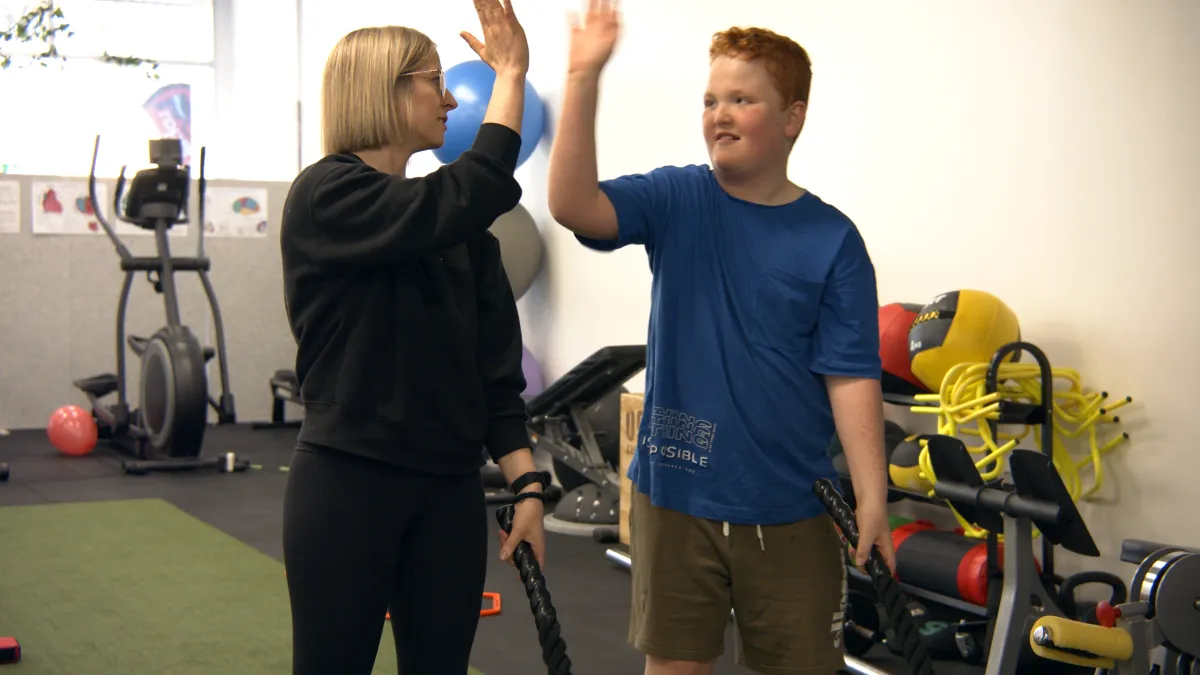
Our Happy Clients
How We Work With You
Getting started is simple. We work closely with families to create a supportive,
enjoyable experience that fits your schedule and your child's needs.

Initial Consultation
We discuss your child's needs, goals, and any concerns during a comprehensive assessment
Personalized Plan
We create a tailored exercise program designed specifically for your child's abilities and goals
Planned Sessions
Fun, engaging sessions at your home, school, or our clinic - whatever works best for your family
Progress Tracking
We monitor progress and adjust programs as your child grows and develops new skills
Mobile Service
We come to your home, school, or preferred location (northern suburbs only)
Qualified Experts
Registered exercise physiologists with paediatric specialization
Fun & Engaging
Activities designed to be enjoyable and motivating
Ready to Get Started?
The first step is a simple conversation about your child's needs and goals.
How We Work With You
Getting started is simple. We work closely with families to create a supportive,
enjoyable experience that fits your schedule and your child's needs.
01
Initial Consultation
We discuss your child's needs, goals, and any concerns during a comprehensive assessment
02
Personalized Plan
We create a tailored exercise program designed specifically for your child's abilities and goals
03
Planned Sessions
Fun, engaging sessions at your home, school, or our clinic - whatever works best for your family
04
Progress Tracking
We monitor progress and adjust programs as your child grows and develops new skills
Mobile Service
We come to your home, school, or preferred location (northern suburbs only)
Qualified Experts
Registered exercise physiologists with paediatric specialization
Fun & Engaging
Activities designed to be enjoyable and motivating
Ready to Get Started?
The first step is a simple conversation about your child's needs and goals.
Frequently Asked Questions
Get answers to common questions from other parents and families we've worked with.
What age groups do you work with?
We specialize in working with children from early childhood through to young adults (typically ages 2-25). Our programs are specifically designed for pediatric and young populations and adapted to each client's developmental stage, needs and abilities.
Do you offer mobile services?
Yes, but this is typically limited to northern and north eastern suburbs, although we do a handful of visits in the inner south. We understand that getting to appointments can be challenging for families. We offer mobile services and can visit your home, school, or other preferred location. This also allows us to see your child in their natural environment and provide more practical recommendations. Reach out today to see if we service your area.
How long are the sessions and how often do they occur?
Session length and frequency depend on individual needs and goals. Sessions run for 30mins, 45mins, or 60mins, and typically occur once per week. We work with you to find a schedule that fits your routine and maximizes your progress. For some it may be periodic check-ins to update a program or check on progress etc
What should I expect during the first appointment?
The first appointment is a comprehensive assessment where we'll discuss medical history, current challenges, and goals. We'll observe movement patterns, strength, and coordination, and anything else that may be relevant. This helps us create a personalized exercise program that's both effective and enjoyable.
Do you work with children and young peopple who have disabilities or special needs?
Absolutely. We have extensive experience working with children and young people with various conditions including, but not limited to, Autism and ADHD, Cerebral Palsy and other neuromuscular conditions, Down Syndrome, other developmental disabilities or delays, and chronic health conditions. Our approach is always individualized and strengths-based.
Still Have Questions?
We're here to help! Contact us directly to discuss your child's specific needs.
Book Your First Session
Take the first step towards helping your child achieve their full potential. Our initial consultation is thorough, personalized, and designed to understand your unique situation.
What to Expect in Your First Session

Comprehensive Assessment
We'll evaluate your child's current abilities, challenges, and goals

Holistic Discussion
We'll talk about your concerns, expectations, any other factors that may influence outcomes or our interventions.

Personalized Plan
We'll create a tailored program that fits your child's needs
Contact Information
Phone
Address
307 Payneham Road
Royston Park SA 5070
Lauren McDougall June 4 2026
Why movement matters more than you think (especially for kids)
If you’ve ever wondered whether your child is moving enough, you’re not alone.
For many families, “movement” can start to feel like another thing to keep up with—sports, activities, getting outside more, limiting screen time. It can quickly become something that feels like it needs more time, more energy, and more structure than you realistically have.
But movement doesn’t have to look like that.
In fact, some of the most meaningful movement for kids happens in simple, everyday ways.
Movement is more than just exercise
When we think about movement, it’s easy to picture organised sport or structured activities. But for children, movement is much broader than that.
It can look like:
- Playing in the backyard
- Dancing in the living room
- Climbing, jumping, rolling, exploring
- Walking to the car or helping carry groceries
- Getting up and down off the floor
These small, natural movements are not just “filling time”—they’re how children build the foundations for how their bodies feel and function.
It supports more than just physical health
Movement isn’t only about keeping kids “fit” or active.
It plays a role in:
- Energy levels – helping kids feel more alert and less sluggish
- Mood and emotions – supporting regulation and reducing restlessness
- Focus and attention – especially for younger children
- Confidence – as they learn what their bodies can do
Often, when a child is struggling with energy, focus, or behaviour, movement is one of the simplest places to start.
It doesn’t have to be perfect
One of the biggest barriers families face is the idea that movement needs to be done “properly” to count.
The reality is, it doesn’t.
Short bursts of movement throughout the day can be just as valuable as longer, structured sessions. There’s no need for perfect routines or high levels of motivation—especially in busy seasons of life.
What matters most is creating regular opportunities for movement in a way that fits your family.
What this can look like in real life
For many families, it’s not about adding more—it’s about noticing what’s already possible.
That might be:
- Letting kids play on the floor instead of always sitting on the couch
- Encouraging a quick game or movement break between activities
- Walking short distances where you can
- Building small moments of movement into your usual routines
These small shifts often feel more manageable—and are more likely to stick.
A gentle reminder
If things have felt a bit sedentary lately, that’s okay.
Routines change, life gets busy, and energy comes and goes. Movement doesn’t need to be all or nothing.
Starting small, and keeping things simple, is often what makes the biggest difference over time.
If you’re feeling unsure how movement fits into your child’s day, or where to start, support is there to help you find an approach that feels manageable for your family.

📞 0431 048 684
✉️ [email protected]
📍 307 Payneham Road, Royston Park SA 5070



Golden Grove - Payneham - Marden - Ridgehaven